Applying for senior roles in 2026 will be different from a decade ago. Hiring decisions for experienced leaders now combine skills verification, outcome-driven evidence, networks, and an expectation that candidates understand and can partner with AI-enabled workflows. Below are pragmatic, professional strategies tailored for senior leaders – updated with 2026 market signals and concrete steps you can use right away to apply for a job.
Start with a market map – know where demand sits
Before you apply, map the market for roles that match your domain expertise and leadership level. In India and other large markets, demand for senior talent surged in early 2025 – Naukri reported a double-digit increase in hiring for professionals with 16+ years of experience (about +15% in Feb 2025).
Action steps: list 8-12 target companies (mix of incumbents, scaleups, and consultancies), note hiring channels they use (executive search, in-house recruiters, LinkedIn, or company career pages), and record open leadership roles that match your profile.
Reframe your CV as a concise achievement portfolio
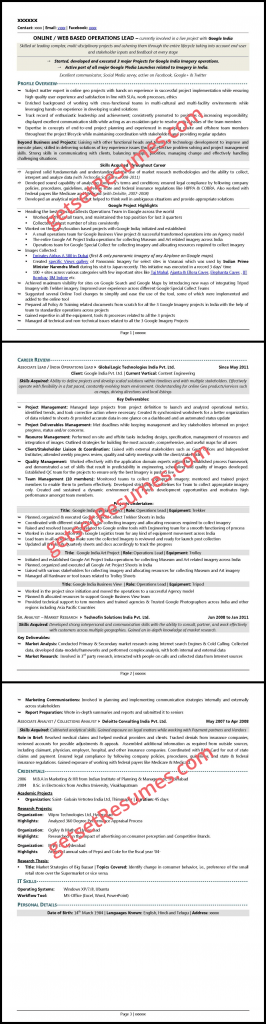
At the senior level, resumes that read like enumerated responsibilities are ignored. Recruiters and hiring panels want evidence of business outcomes, team scale, P&L, transformation metrics, and decisions you led.
What to include:
- 3-5 headline achievements on page one with quantifiable outcomes (revenue impact, cost savings, efficiency gains, market entry success).
- A brief ‘Leadership snapshot’ with team size, budget, geographies, and operating model you managed.
- A one-line value proposition tailored to the role you’re applying for.
Recruiters now screen for skills and outcomes more than years of tenure; presenting measurable impact fast is essential. The World Economic Forum’s Future of Jobs analysis highlights employers’ move toward outcome and skills-based hiring, especially for leadership roles.
Build an AI-aware application package
AI is reshaping recruiting: talent teams use tools to surface skills, summarise candidate fit, and shortlist faster. LinkedIn’s 2025 recruiting guidance recommends showcasing both domain expertise and evidence of working with AI or AI-augmented teams.
Practical moves:
- Add a short ‘AI & tooling’ line in your profile if you’ve led or deployed AI-driven initiatives (e.g., ‘led LLM-augmented knowledge platform for customer service’).
- Prepare a one-page brief (PDF) that visualizes a past problem, your approach, and outcomes – this is easily parsed by recruiters and AI summarizers.
Activate executive networks and targeted outreach
For senior hires, referrals remain the fastest path to interviews. Naukri, LinkedIn and other market trackers show companies actively using referrals and executive search to find experienced talent and technical/AI profiles showed strong demand about +27% in some reports for engineering & AI roles.
How to do it:
- Reconnect with former peers, board members, and clients with a concise note that outlines what you’re exploring and the value you offer.
- Send a personalized message to 10-15 hiring managers or heads of business lines: one short line on mutual context, one line on your most relevant outcome, and a question (e.g., ‘Do you have two minutes for a quick informational call?’).
Use executive recruiters – but manage the brief tightly
Specialist search firms remain central to senior hiring. Use recruiters to reach roles not advertised publicly, but control the narrative: provide them with exactly the three outcomes you want emphasized, plus one KPI you can validate.
Tip: ask recruiters how they will present you (what words, which achievements), and request feedback after each share.
Demonstrate currency with short, public artefacts
Hiring teams want evidence of current thinking. Create 2–3 short artifacts – a one-page strategic memo, a public LinkedIn post summarising a transformation you led, or a slide deck that maps a problem → solution → results. These are quick to read and useful for interview panels.
LinkedIn and workplace learning trends in 2025 stress the need for continuous learning and evidence of new skills like AI, data literacy, and sustainability – showcasing these publicly helps.
Prepare a short, impact-focused interview narrative
For senior interviews, craft two versions of each story:
- The 3-sentence executive summary (what you delivered, why it mattered, result).
- The 5-minute walkthrough (context, constraints, options considered, decision, result, lessons).
Interview panels often include HR, the hiring exec, and a technical or functional lead – give each stakeholder the version they need.
Be flexible about role formats (fractional, advisory, part-time)
2025 has seen growth in fractional C-suite and advisory roles as companies fill capability gaps quickly. Robert Half and other staffing insights for 2025 indicate companies are open to hybrid senior arrangements to access talent without full headcount commitments.
If you’re open to these formats, state it clearly in conversations; it increases the range of opportunities and can be a pathway to full-time roles.
Negotiate beyond headline compensation
For senior roles, total value includes incentives, equity, governance (board seat or committee), hiring budget, and operating autonomy. Ask for clarity on:
- Performance metrics and review cadence
- Reporting lines and decision rights
- Exit or transition clauses, if relevant
Having a clear negotiation framework – what you will accept and what you need to deliver-signals that you think like a leader.
Keep learning and document it
Make a short ‘learning line’ on your CV: recent micro-credentials, executive programs, or projects demonstrating new skills like AI, sustainability, and global markets. LinkedIn learning and workplace reports show that employers value demonstrable recent learning in 2025.
Final word
For senior professionals, applying for roles in 2025 is as much about clarity and evidence as it is about connections. Combine a sharp, metrics-driven application package, AI-aware artefacts, targeted network outreach, and openness to modern role formats. These steps will make your candidacy easier to evaluate and more compelling to hire.